What Controlling Relationships Do to Your Sense of Safety
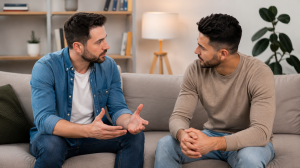
Control rarely shows up all at once. It builds slowly, often wearing the clothes of care or concern. Over time, your boundaries get smaller. Your confidence thins out. You learn to second-guess your instincts, your preferences, even your daily choices.- Emotional control often starts with small criticisms or pressure to act a certain way
- Over time, it can create patterns like self-doubt, guilt for having needs, or fear of making the “wrong” decision
- Survivors may struggle to choose what to wear, what to eat, or how to spend their time post-breakup
Why Healing Feels Harder in Spring
Floridians know that spring doesn’t bring relief in the way cooler climates expect. Instead, it brings longer days, more heat, and an uptick in get-togethers, outdoor events, and vacation planning. This might sound fun on the surface. But for people moving through the aftermath of emotional harm, it can feel like a pressure cooker.- Spring invites social energy: barbecues, weddings, beach days, and more
- There’s an unspoken push to be cheerful, busy, and “on” for others
- That can lead to disconnection if your healing moves at a slower pace
What Support Looks Like After Leaving Emotional Control
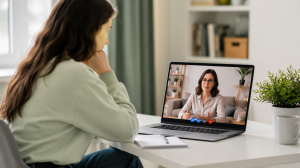
There’s a difference between short-term relief and long-term healing. Numbing out with distractions might help for a minute, but sustainable recovery takes more than that. Safe, private support is the foundation for real change, especially when it comes to working through the effects of narcissistic abuse or deep self-sabotage.- Online therapy reduces stress by cutting out commutes or needs to show up in a physical waiting room
- Meeting regularly supports stability and makes emotional shifts easier to see over time
- A therapist who recognizes trauma patterns can help make sense of behaviors that once felt confusing or isolated
How to Choose the Right Therapist for You
After emotional control, decision-making often becomes harder. You may question whether your preferences are valid or worry that choosing the “wrong” person will make things worse. When looking for a mental health counselor in Florida, the most important thing isn’t credentials on a wall. It’s whether their approach makes you feel safe and understood. Here’s what to look for:- Comfort with video sessions, since online therapy removes big stress points
- Experience with trauma-informed care, especially related to relational abuse
- Consistency, weekly or regular check-ins build a rhythm that’s grounding
- A communication style that feels supportive, not performative or rushed